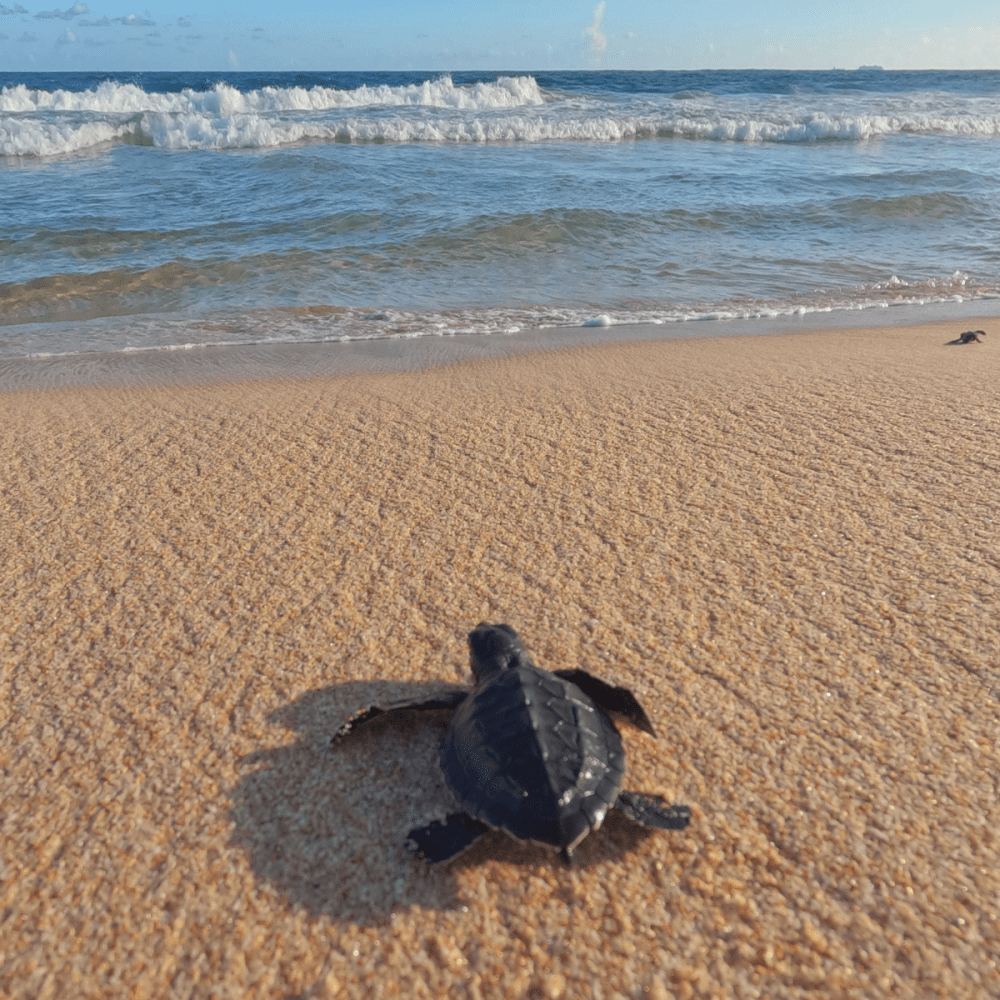
Sea Turtle Nesting Season in St. Johns County
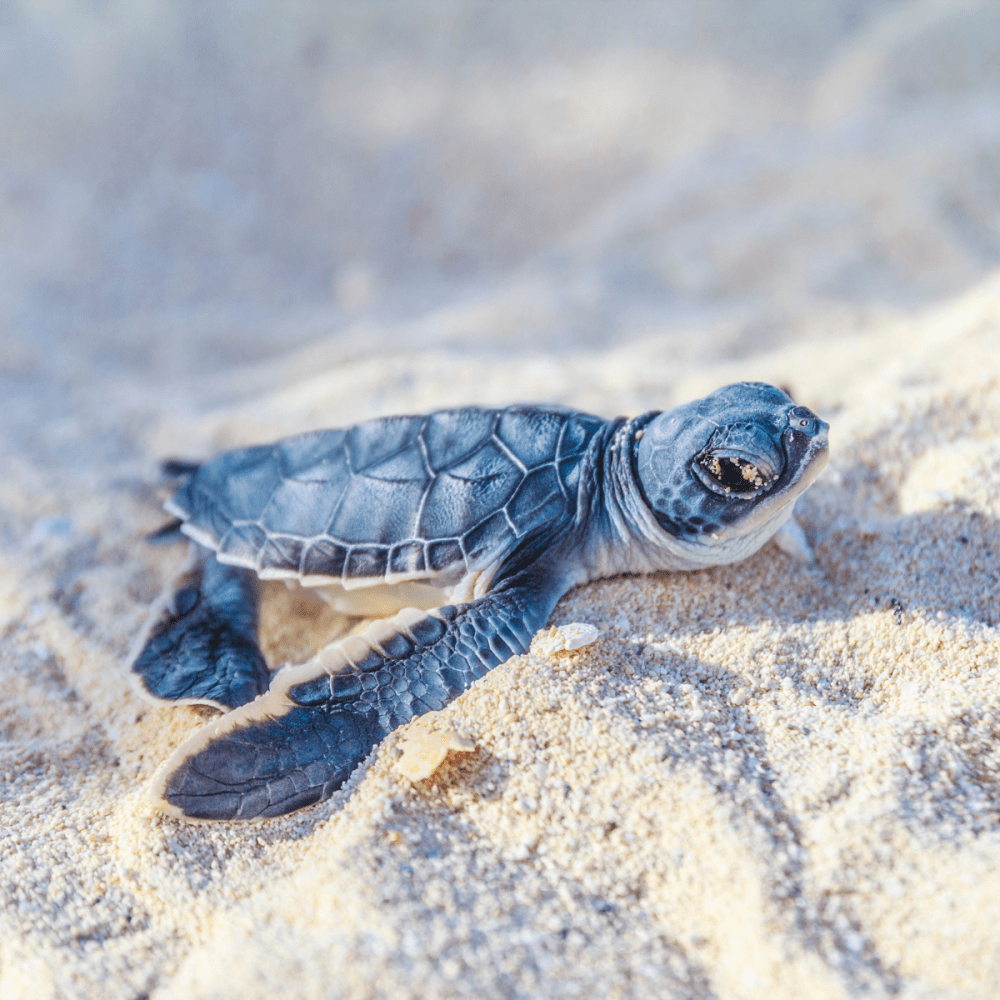 How You Can Help Protect Our Beaches
Every year from May 1 through October 31, the beaches of St. Johns County are an important nesting habitat for endangered and threatened sea turtles. During these months, female sea turtles return to shore under the cover of darkness to lay their eggs in the sand, continuing a cycle that has existed for thousands of years.
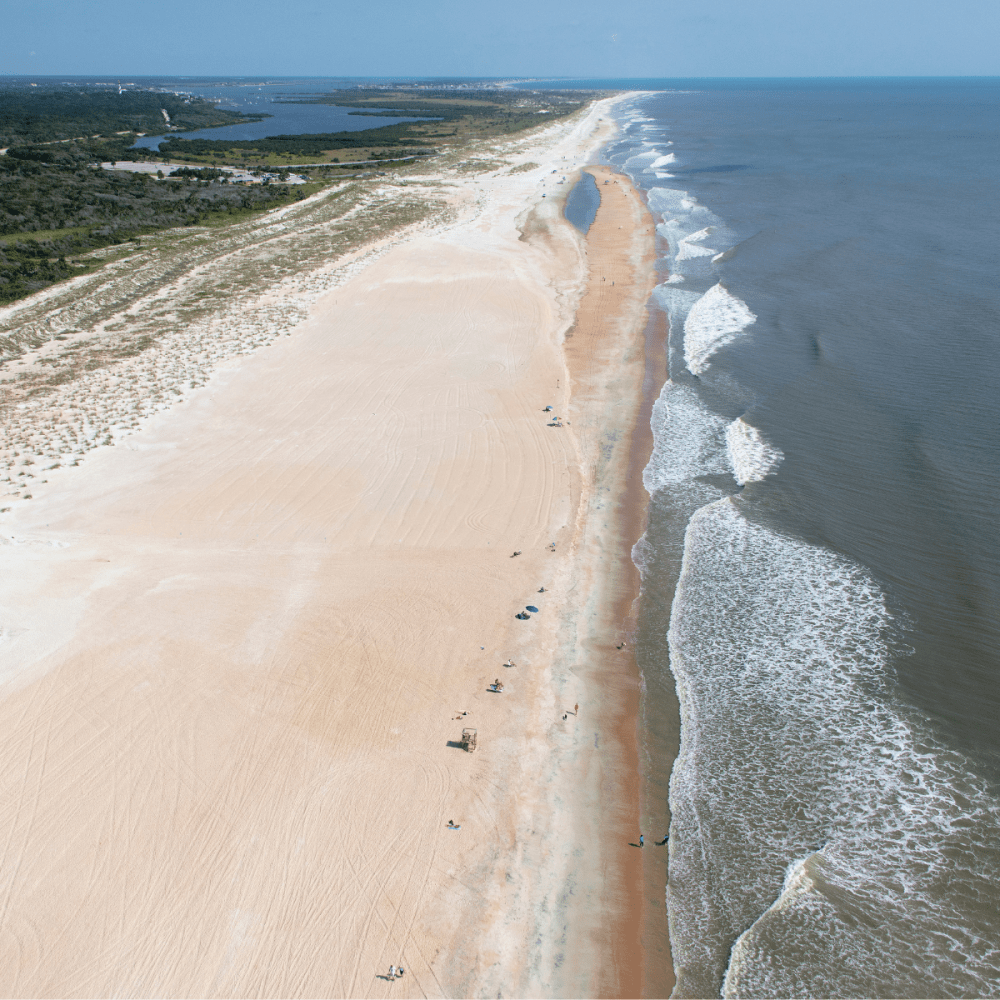
According to Ashley Raybould, Sea Turtle Program Supervisor for St. Johns County Habitat Conservation, Northeast Florida plays a unique role in sea turtle conservation. While loggerhead sea turtles are the most common species found nesting on local beaches, green sea turtles and leatherbacks also nest here, and in recent years even the rare Kemp’s Ridley sea turtle has been documented in St. Johns County.
Sea turtles often return to the same general stretch of beach where they were born to lay nests of their own. A female may lay several nests during one season before taking a few years off. In the early 2000s, St. Johns County averaged between 300 and 500 nests per year. Recently, that number has climbed closer to 1,000 nests each season, a hopeful sign that decades of conservation efforts are starting to make a difference.
One fascinating phenomenon researchers continue to study is how sand temperature impacts hatchlings. Warmer sand temperatures produce more female turtles, while cooler temperatures produce more males. With global temperatures rising, scientists are putting more research into how climate change could affect future sea turtle populations, a hot topic in the sea turtle community, no pun intended. Florida Fish and Wildlife Conservation Commission (better known as FWC) is currently conducting a sex ratio study to determine the male-to-female ratio of sea turtles in Florida.
Sea turtle hatchlings face many dangers before they ever reach the ocean. Artificial lighting is one of the biggest threats. Hatchlings naturally use moonlight reflecting off the water to guide them to the sea, but bright beachfront lights can confuse them and lead them away from the water. This is why flashlights, phone lights and open fires are prohibited during nesting season.
Beachgoers can make a huge difference by following a few simple guidelines. When asked what the simplest actions beachgoers can take that make the biggest difference, Ashley Raybould explains, “Leave the beach as they found it, not shine lights, keeping in mind that your actions away from the ocean can still have a huge impact, such as fertilizers and trash.” Fill in holes and knock down sandcastles before leaving the beach, remove beach chairs, tents and canopies at the end of the day, avoid walking through dunes and protected conservation zones, never release balloons or leave trash behind and keep lights off the beach at night or close curtains if inside a beachfront property.
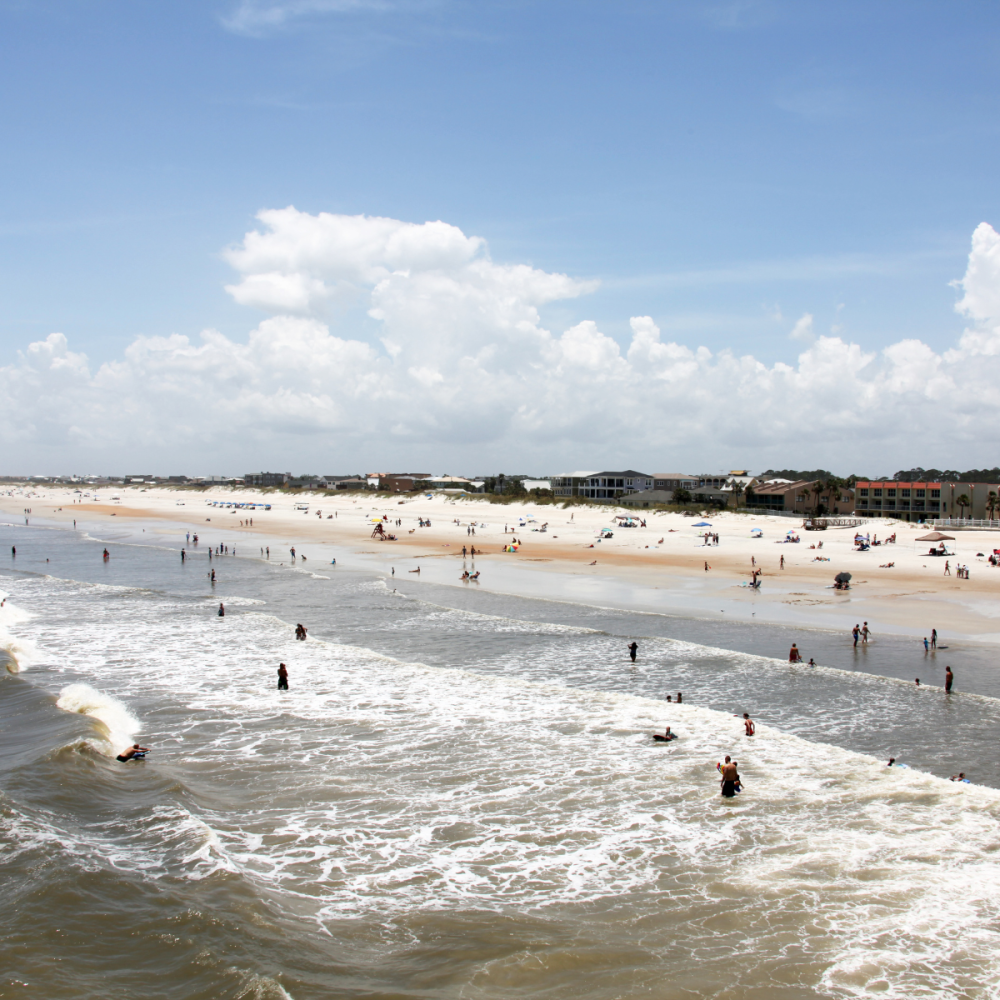
If you see a nesting sea turtle, enjoy the experience from a distance and never approach or shine lights toward the animal. Anyone who encounters an injured or stranded sea turtle should contact the Florida Fish and Wildlife Conservation Commission’s 24-hour Wildlife Alert Number at 1-888-404-FWCC (1-888-404-3922).
For those spending time on the water, protecting sea turtles goes beyond the shoreline. Boat strikes are one of the leading causes of sea turtle injuries and deaths. Because turtles must surface to breathe, boaters should remain especially alert during spring and summer months and wear polarized sunglasses when possible to improve visibility in the water.
Readers go to learn more about nesting season rules and conservation efforts at the SJC Habitat Conservation Plan website or The Florida Fish and Wildlife Commission Sea Turtle Program website.
Florida Water Tours offers a great way to explore Northeast Florida’s waterways and appreciate the incredible wildlife that calls this area home. Sea turtle nesting season is a reminder that even small actions can help protect these animals for generations to come. By respecting local beaches and waterways, visitors and residents alike can play a role in preserving one of Florida’s most remarkable natural traditions.
We invite you to come appreciate St. Augustine’s waterways and spot some sea turtles during their nesting season on one of our tours! The Dolphin and Wildlife Adventure Tour is a family-friendly experience geared towards wildlife sightings, though all of our tours provide opportunities to enjoy St. Augustine’s natural beauty. Check out our different tour options online, and come see us at Camachee Cove Yacht Harbor Marina, located at 107 Yacht Club Dr., St. Augustine, FL 32084. We offer free parking and restrooms on board. Our vessels are just a short walk from our boutique, located at Dock A-23, A-24 and A-25. Email us at [email protected] to book or inquire about your next cruise.